CAPITULATION OF FORT WILLIAM HENRY
On August 9, 1757, English Fort William Henry, New York, surrendered to French & Indians troops.
Fort William Henry was a British fort at the southern end of Lake George, in the province of New York. The fort’s construction was ordered by Sir William Johnson in September 1755, during the French and Indian War, as a staging ground for attacks against the French position at Fort St. Frederic. It was part of a chain of British and French forts along the important inland waterway from New York City to Montreal, and occupied a key forward location on the frontier between New York and New France. In 1757, the French general Louis Joseph de Montcalm conducted a successful siege that forced the British to surrender. The Huron warriors who accompanied the French army subsequently killed many of the British prisoners. The siege and massacre were portrayed in James Fenimore Cooper’s novel The Last of the Mohicans.
On August 8, the British surrendered the fort after they negotiated terms with the French that permitted the British to withdraw to Fort Edward under French protection, leave their ammunition at the fort, and agree to take no further part in the war until they had been properly exchanged. The British forces were allowed full honors of war, could keep their colors, muskets with no ammunition, and a single symbolic cannon. The fort would be turned over to the French.
France’s Indian allies began plundering the fort almost immediately and killing the sick and wounded British. As surrendering British troops and associated civilians, including about 100 women, left for the march to Fort Edward, they were attacked by Indians. France’s Indian allies first took the British weapons and possessions. Warriors then began seizing persons at the rear of the column and killed and scalped them. The column dissolved as some British tried to escape the onslaught by fleeing into the woods, and others tried to defend themselves. The promised French protection failed to materialize. All of the women and the children were killed, along with many British and militia soldiers. Estimates of the numbers captured, wounded, or killed have varied widely between 200 and 1,500. The lowest estimate of missing and dead ranges from 69 to 184 (at most 7.5%) of the 2,308 who had surrendered to the French. Estimates are that 429 of the fort’s 2300 occupants reached Fort Edward, and 406 were killed (97 during the siege and 308 during the massacre), with 536 persons “missing,” and 929 taken prisoner. Another history puts British losses at “upwards of 700.”
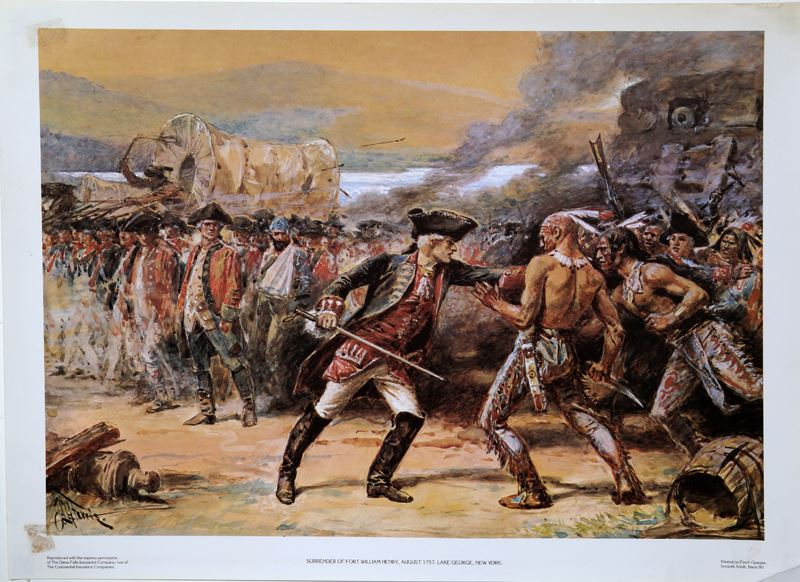
Image: The Surrender of Fort William Henry,. August 9, 1757
HENRY MORTON STANLEY
On August 9, 1878, Journalist and explorer Henry Morton Stanley’s party reaches Boma, Congo, after 999 days, losing half of the 228 members.
Famous for his exploration of central Africa and his search for missionary and explorer David Livingstone.
Upon finding Livingstone, Stanley reportedly asked, “Dr. Livingstone, I presume?”
Stanley is also known for his search for the source of the Nile, his work in and development of the Congo Basin region in association with King Leopold II of Belgium and commanding the Emir Pasha Relief Expedition.
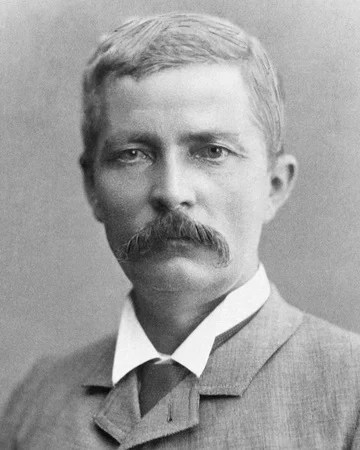
Image: Henry Morton Stanley (Wikimedia Commons.)
PORT CHICAGO MUTINY
On August 9, 1944, during World War II : Port Chicago Mutiny – mass work stoppage by munition loaders at Port Chicago Naval facility concerned with conditions after recent explosion in Port Chicago, California; 50 men were tried for mutiny, found guilty and sentenced to 15 years of hard labor.
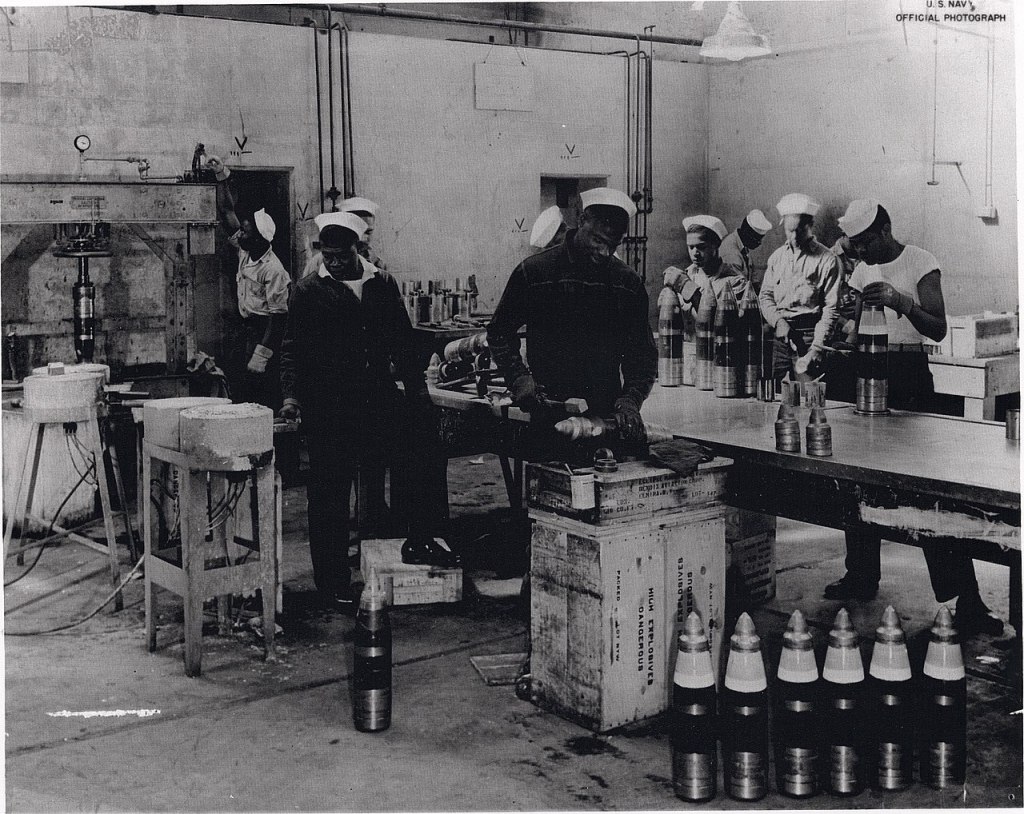
Image: African American sailors of an ordnance battalion preparing 5-inch shells for packing at the Port Chicago Naval Magazine in 1943. Wikimedia Commons.
 History Daily With Francis Chappell Black
Leave a comment