JACK THE RIPPER KILLS FIRST VICTIM
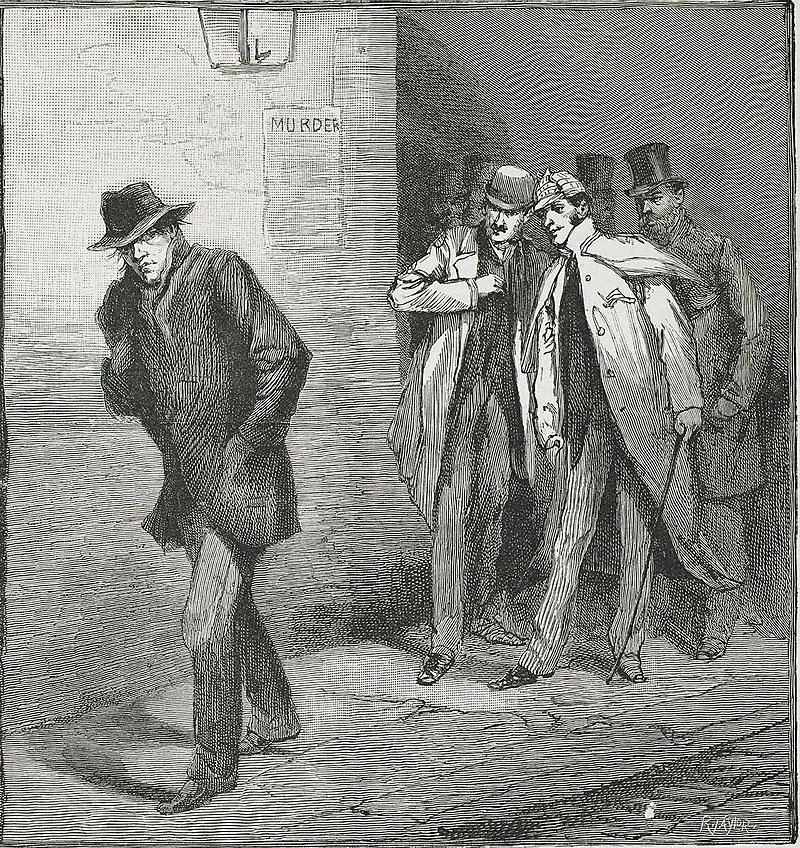
Image: “With the Vigilance Committee in the East End: A Suspicious Character” from The Illustrated London News, 13 October 1888. (Wikimedia Commons.)
On August 31, 1888, prostitute Mary Ann Nichols, the first known victim of the English serial killer “Jack the Ripper,” was murdered and mutilated in the Whitechapel district of London. The city saw four more victims of the murderer during the next few months, but no suspect was ever found.
The police, who lacked modern forensic tools and techniques such as fingerprinting and blood analysis, had no suspects whatsoever. A large number of letters allegedly written by the murderer were sent to the police, most of which were immediately deemed fraudulent. However, two letters–reportedly by the same person–wrote of crime details privy only to the killer and the police. These letters, signed “Jack the Ripper,” began using the serial killer’s popular nickname.
THE BATTLE OF JONESBOROUGH
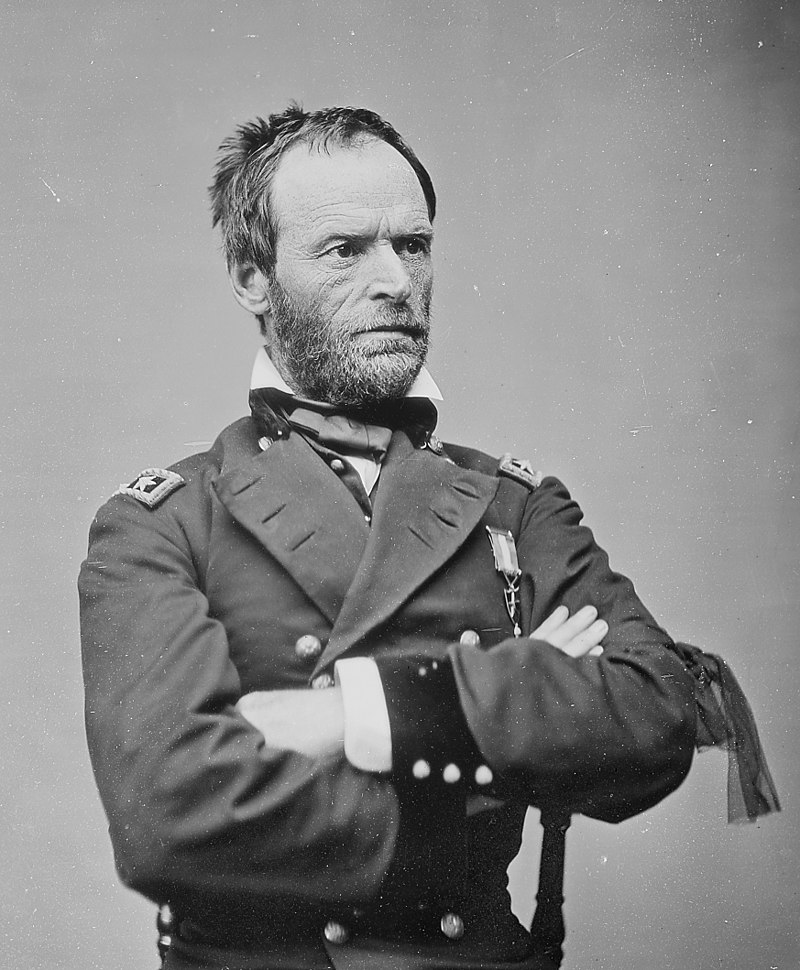
Image: General William T. Sherman, Union Army (Wikimedia Commons.)
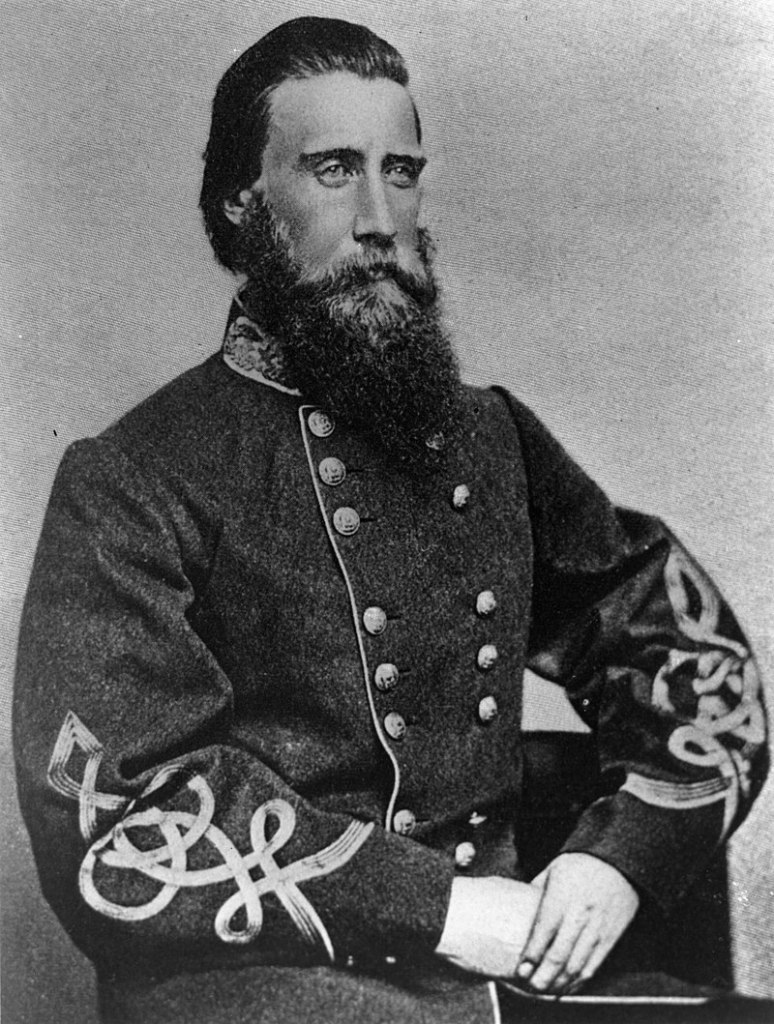
Image: Lt. Gen. John B. Hood, Confederate Army (Wikimedia Commons.)
On August 31, 1864, the Battle of Jonesborough began and was fought between the Union Army led by William Tecumseh Sherman and Confederate forces under William J. Hardee during the Atlanta Campaign in the American Civil War. On the first day of a two-day battle, on orders from Army of Tennessee commander John Bell Hood, Hardee’s troops attacked the Federals and were repulsed with heavy losses. Hood ordered Hardee to send half his troops back to Atlanta that evening. On the second day, five Union corps converged on Jonesborough (modern name: Jonesboro). This was the only time during the Atlanta Campaign that a significant Federal frontal assault succeeded in breaching the Confederate defenses. The attack took 900 prisoners, but the defenders could halt the breakthrough and improvise new defenses. Hardee’s force escaped undetected to the south that evening despite facing overwhelming odds. The Union suffered over 1100 casualties while the Confederates suffered more than 2000 wounded and dead.
FOGHORN LEGHORN CARTOON FIRST APPEARS
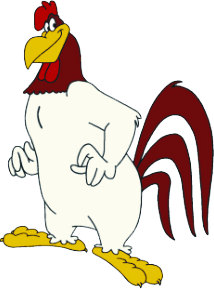
Image: Foghorn Leghorn (Wikimedia Commons.)
On August 31, 1946, Foghorn Leghorn, a Warner Brothers cartoon character created by Warren Foster and Robert McKimson as part of the Looney Tunes and Merrie Melodies series, first appeared in “Walky Talky Hawky.”
Foghorn Leghorn is a cartoon rooster who appeared and starred in 29 cartoons from 1946 to 1964 during the golden age of American animation. McKimson directed all 29 cartoons.
Foghorn’s voice was created and initially performed by Mel Blanc and was later performed by Frank Gorshin, Jeff Bergman, Joe Alaskey, Greg Burson, Jeff Bennett, Bill Farmer, and Eric Bauza.
Help us with our endeavors to keep History alive. With our daily Blog posts and our publishing program we hope to inform people in a comfortable and easy-going manner. This is my full-time job so any support you can give would be greatly appreciated.
Francis Chappell Black
 History Daily With Francis Chappell Black
Leave a comment