
Subscribe to get access
Read more of this content when you subscribe today.
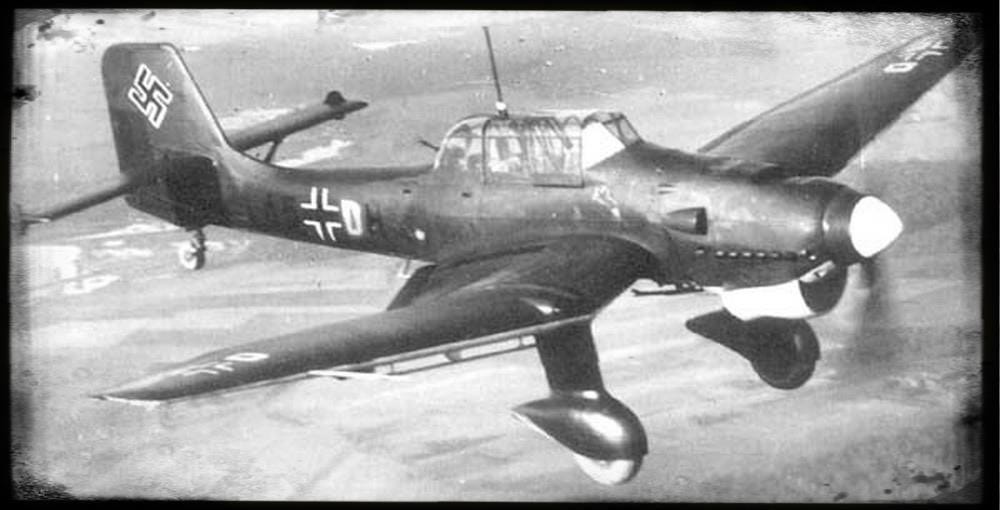
Image: Junkers Ju87 B-1, the variant involved in the Neuhammer accident and the primary equipment of Stuka units for the first year of the war.
August 15, 1939. The Junkers 87 Stukas of I/StG 76 were briefed to put on a dive bombing demonstration for a group of generals near Neuhammer in present-day Świętoszów, Poland,. The senior Luftwaffe commanders observed the demonstration, including Generals Hugo Sperrle, Bruno Loerzer, and Wolfram von Richthofen. A weather reconnaissance of the target area reported a layer of broken cloud but clear visibility below 2,500 feet. This was considered a sufficient safety margin, and the unit’s commander, Hauptmann Walter Siegel, took off as planned at 5:30 am with his entire Gruppe of 27 aircraft.
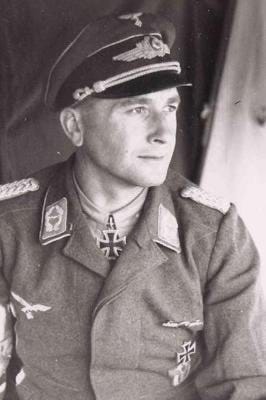
Image: Stuka pilot Walter Sigel.
Unfortunately for Sigel and his crews, a thick ground fog had developed since the weather report, rising to meet the clouds in some places. The aircraft didn’t have radio communications with the ground, so no warning could be sent. When the Stukas arrived overhead at 12,000 feet, they saw a thick cloud below but believed they would pass through it into clear air, so they commenced their attack. The aircraft plunged into a 70-degree dive.

Subscribe to continue reading
Become a paid subscriber to get access to the rest of this post and other exclusive content.
 History Daily With Francis Chappell Black