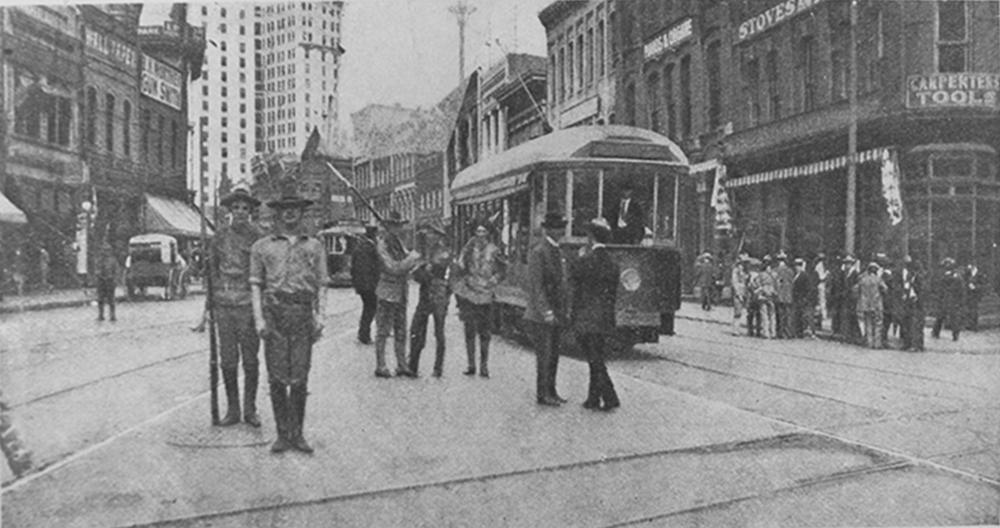
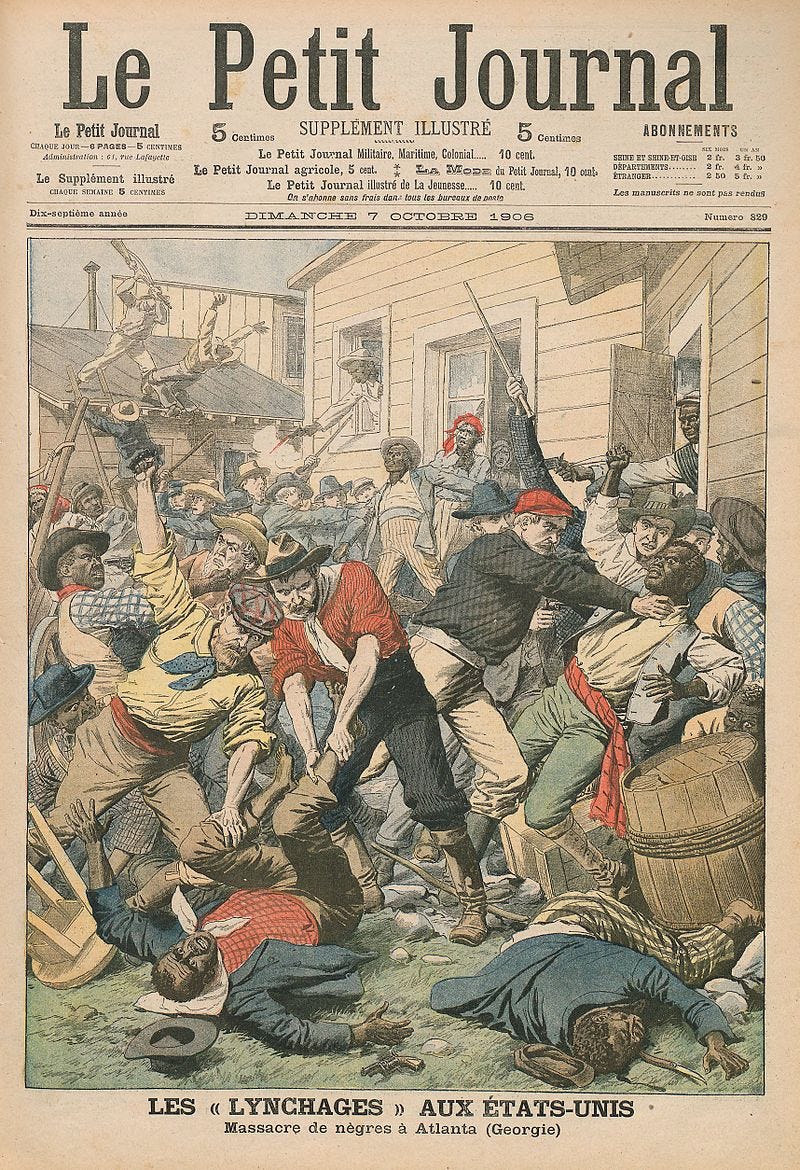
Image: The cover of “Le Petit Journal”, October 7, 1906, depicts the race riots in Atlanta, Georgia. “The Lynchings in the United States: The Massacre of Negroes in Atlanta.” Published in Paris from 1863 to 1944, this magazine revolutionized the media landscape by transforming the news into an affordable, sensational, and visually engaging product for the masses.
The 1906 Atlanta Race Massacre
The 1906 Atlanta Race Massacre is one of America’s most harrowing and pivotal chapters in the history of the American South. To understand how such a tragedy unfolded, we have to look at a time when Atlanta was booming with ambition but fractured by intense competition, political anxiety, and racial tension.
At the beginning of the 20th century, Atlanta was endeavouring to become the prosperous “Gate City of the South.” As this city grew, two prominent Black leaders held different visions for the future: Booker T. Washington advocated economic self-reliance through vocational education. Simultaneously, W.E.B. Du Bois pushed for full civil rights and higher education for all of Black America. Despite their differing approaches, both men championed a growing, educated, and prosperous Black middle class.
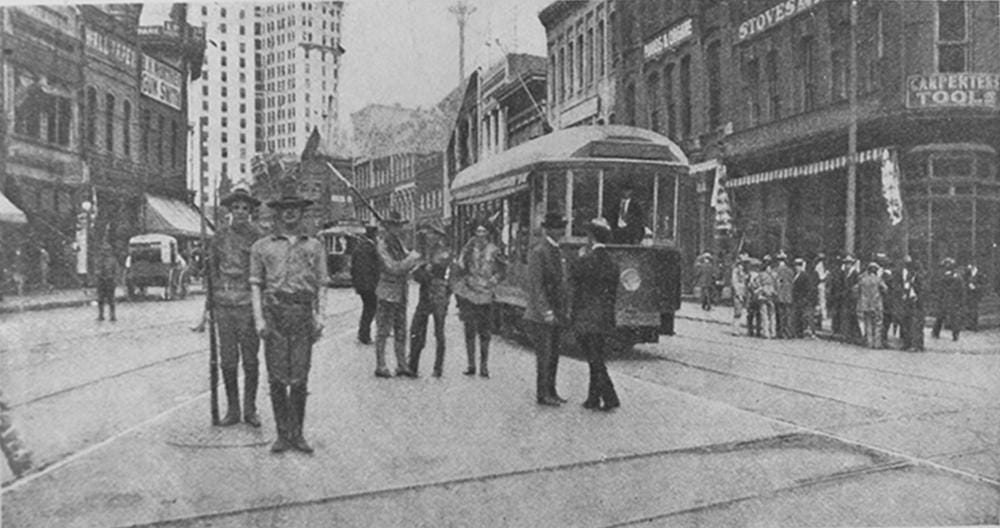
Image: View of militia at the scene of the 1906 race massacre at the intersection of Walton Street and Peachtree Street in Atlanta, Georgia. (Harper’s Weekly)
Remarkably, by September 1906, Atlanta’s growth had generated significant economic and social angst among a majority of working-class white residents. This unease was made even worse by a very competitive and contentious mayoral race, which was maintained by sensationalist press. These newspapers published inflammatory, mostly fabricated stories about Black men assaulting white women. These inflammatory articles were designed to create fear amongst White Atlantans with the hope of rallying voters behind politicians who had endeavoured to uphold white supremacy.
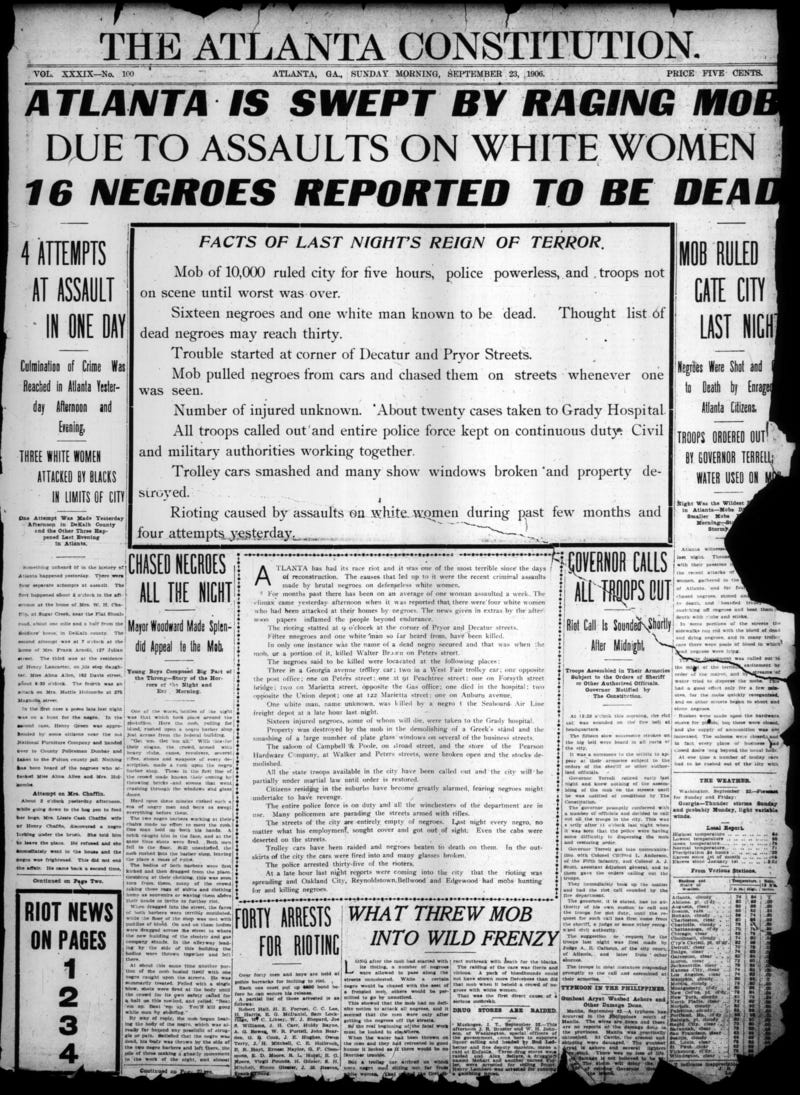
Image: Front page of the September 23, 1906, issue of The Atlanta Constitution, dedicated to coverage of the 1906 Atlanta race massacre.
On the night of Saturday, September 22, 1906, the fears created by the press pushed people’s fears to a point where tragic violence occurred. Sensationalist headlines were posted on placards throughout the city, prompting a mob of thousands of white men and boys to gather in the bustling downtown area. The crowd began assaulting any Black person they could find, looting Black-owned businesses, and destroying property. The violence quickly spread beyond downtown to areas like Brownsville.
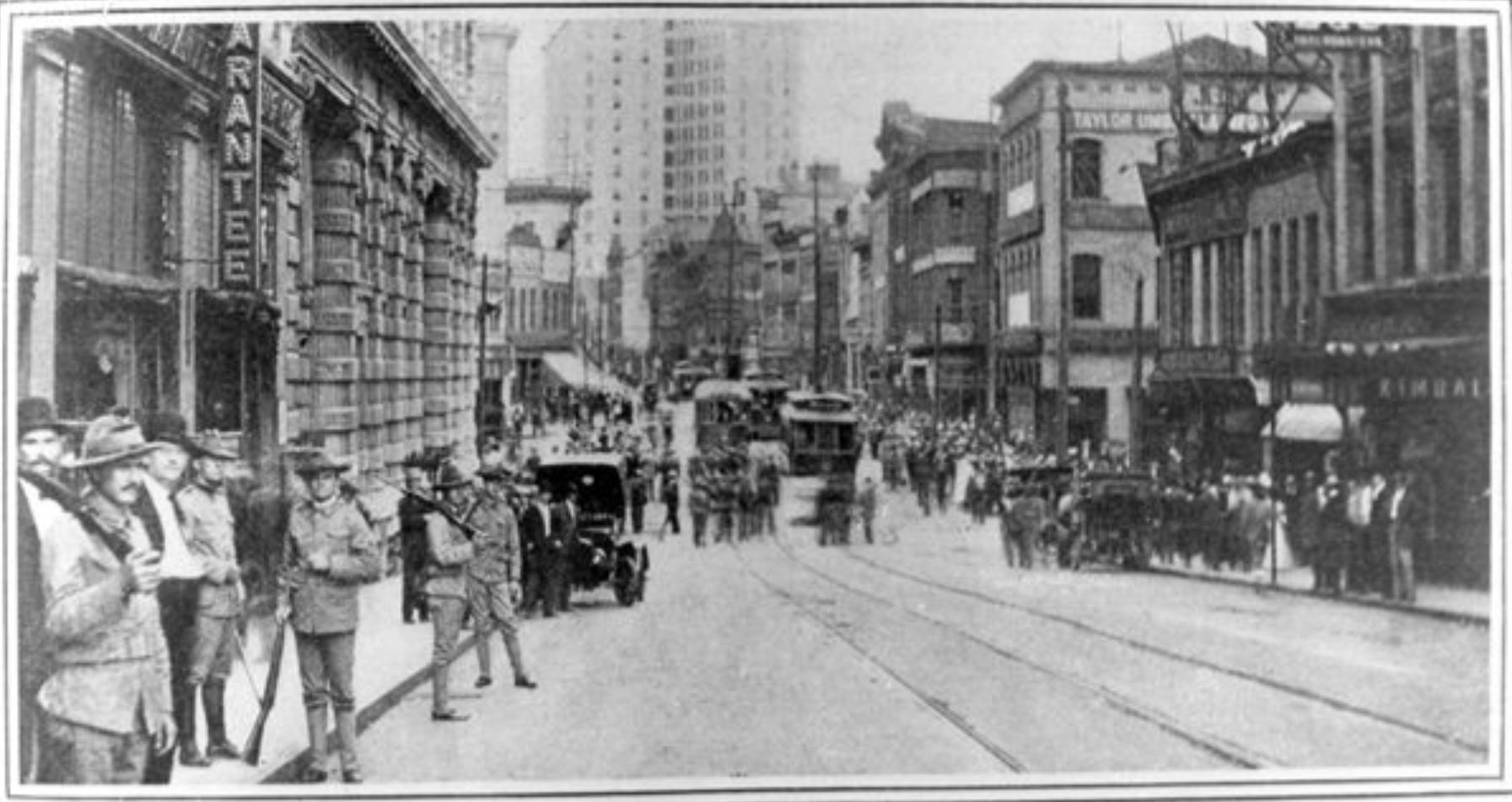
Image: View of the Georgia State militia in the aftermath of race riots on Peachtree Street just south of Five Points during the 1906 Atlanta Race Massacre.
While local law enforcement was slow to intervene or looked the other way, the community did not remain silent in the face of the attacks. Black residents, including prominent leaders like Walter White—who was just a teenager at the time and went on to lead the NAACP—organized and armed themselves to protect their neighbourhoods from the mob.
Over four days, 25 Black citizens of Atlanta were murdered (contemporary historians and modern research state that the death toll was actually much higher, possibly closer to 100). Hundreds more were severely injured, and a great many homes and businesses were destroyed.
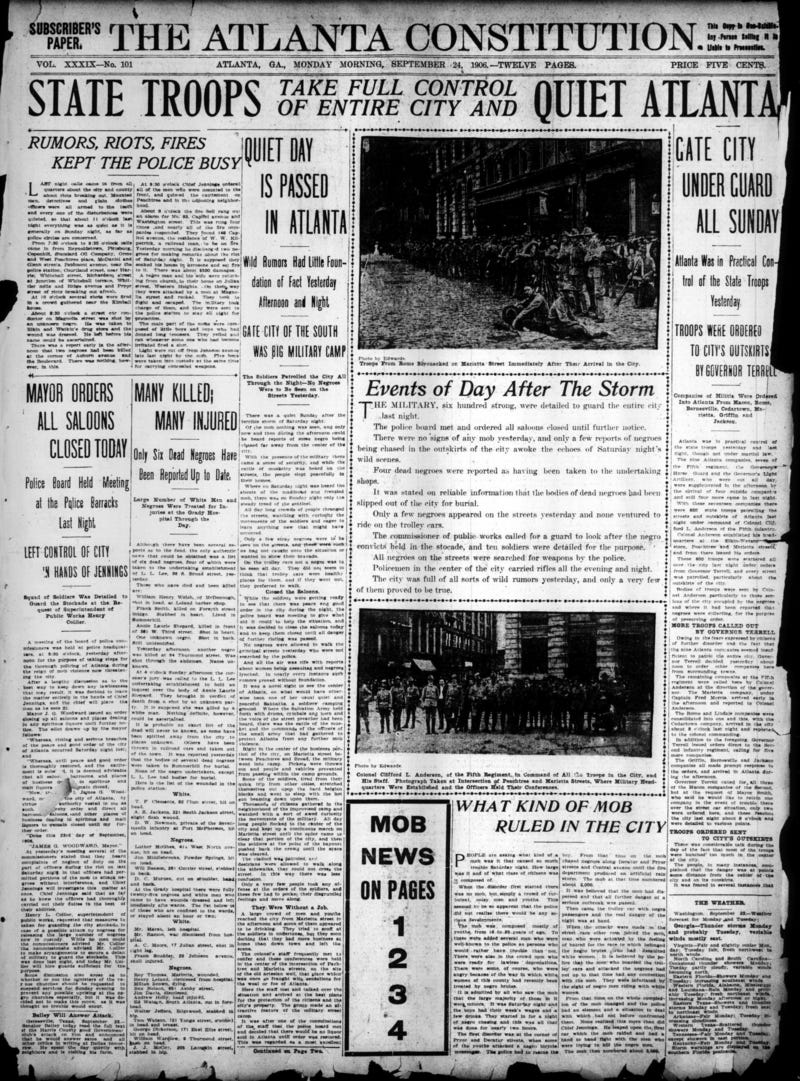
Image: Front page of the September 24, 1906, issue of The Atlanta Constitution.
This tragedy left a permanent scar upon the city’s psyche. After the violence ended and things quieted down, a number of prominent white and Black citizens created the Atlanta Civic League, an interracial organization meant to encourage dialogue and prevent any future violent clashes. Today, the massacre remains a sombre reminder of the devastating consequences of prejudice and sensationalism, and a testament to the resilience of those who rebuilt their community.
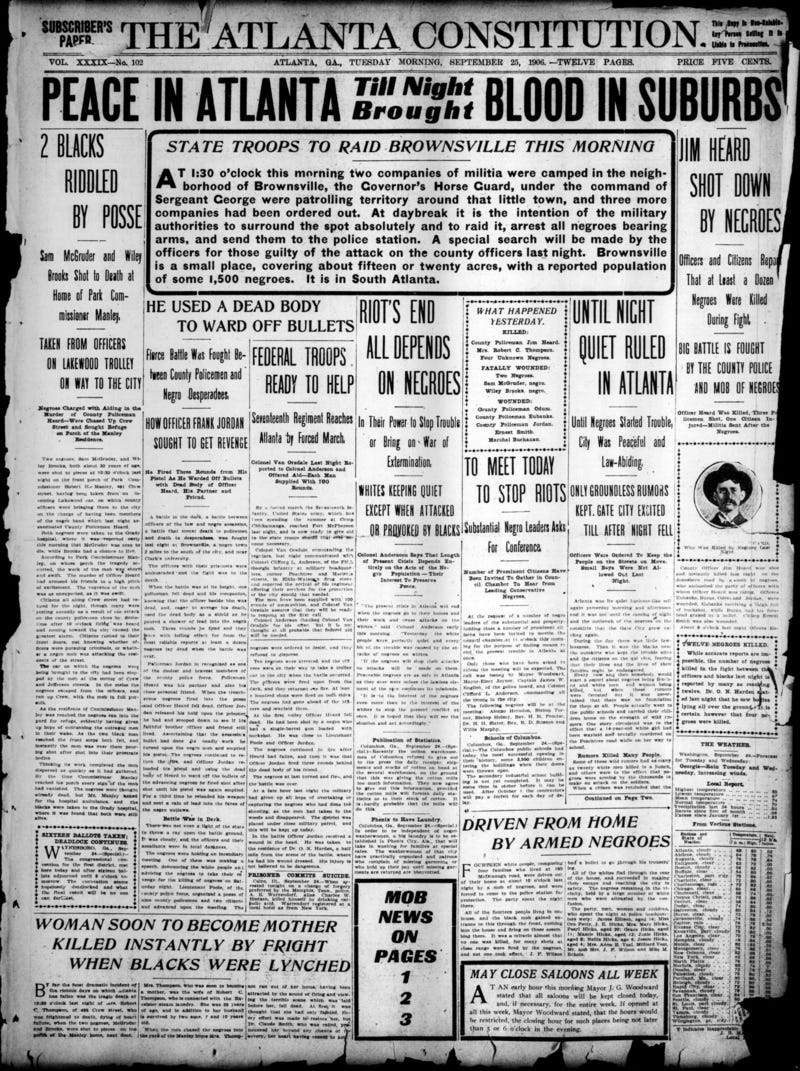
Image: Front page of the September 25, 1906, issue of The Atlanta Constitution.
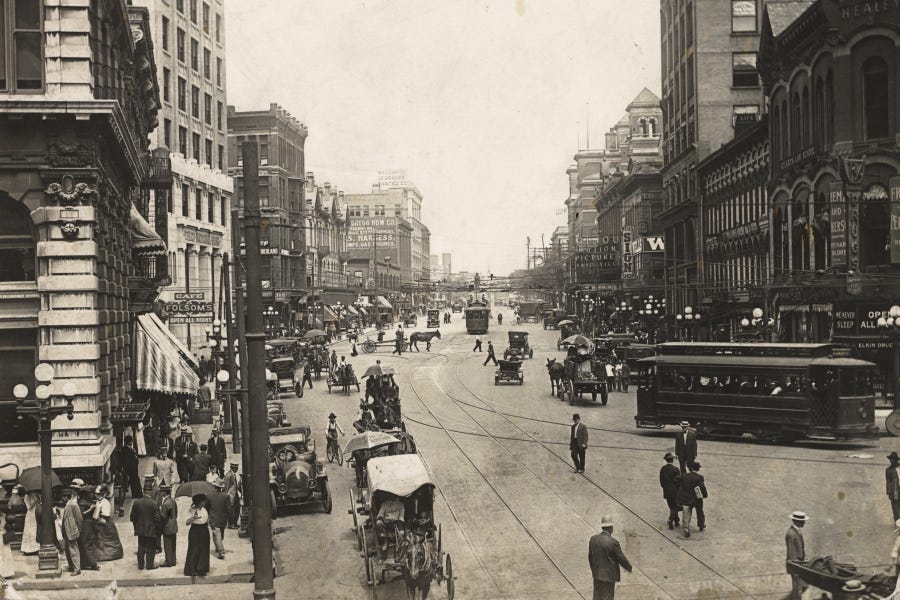
Image: A view of Marietta Street, looking west from the Five Points area in downtown Atlanta in 1906.
 History Daily With Francis Chappell Black
Leave a comment